

How to Choose a Harness for a Short-Nosed Dog
Table of Contents
- Why a Short-Nosed Dog Needs a Different Harness
- How to Measure a Dog for a Harness
- Choosing the Best Harness for Brachycephalic Dogs
- Front-Clip vs. Back-Clip Dog Harness: Which Suits Your Walker
- How to Fit a Dog Harness and Check the Fit
- Warning Signs of Poor Fit or Breathing Distress
- Material, Heat, and Skin Considerations
- Conclusion
- Frequently Asked Questions
Last Updated: October 19, 2026
Why a Short-Nosed Dog Needs a Different Harness
Learning how to choose a harness for a short nosed dog starts with one fact: these dogs breathe differently.
That changes what a harness should do. A collar or poorly fitted harness puts pressure on the throat and neck, which can restrict a brachycephalic dog's airway just when it needs it most: on a walk, in heat, or during excitement.
So the goal is simple: spread pressure across the chest and body, keep the throat completely clear, and get the fit snug enough that the dog cannot back out of it.
How to Measure a Dog for a Harness
To measure a dog for a harness, you need two numbers: chest girth and neck circumference. Use a soft fabric tape measure, snug but not tight, with the dog standing on all fours.
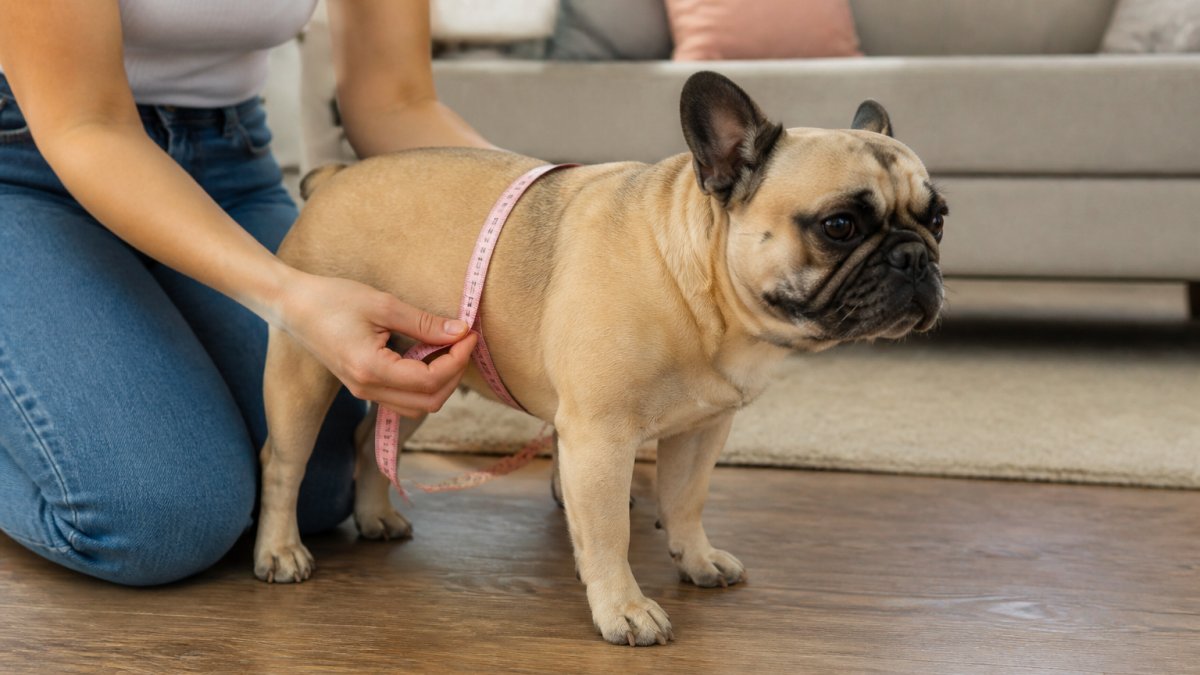
Here is the order we use in the store:
- Chest girth: Wrap the tape around the widest part of the ribcage, just behind the front legs. This is the number most size charts are built on.
- Neck circumference: Measure around the base of the neck, where a collar would sit. Keep the tape loose enough to slide one finger underneath.
- Body length: Run the tape from the base of the neck to the base of the tail. This tells you whether a vest-style harness will cover the back properly.
- Weight: Weigh the dog, since many size charts list a weight range alongside girth.
Write all four numbers down before you shop. A dog between sizes should usually go up a size, since adjustable straps can tighten a slightly large harness but cannot stretch a small one.
Measuring Chest Girth and Neck Circumference
Chest girth matters most, so take it twice and use the larger number if they differ.
Neck circumference is a safety check, not a sizing target. On a short-nosed dog, the harness should sit well below the throat, so this measurement mainly tells you whether a neck-adjustable harness opens wide enough to avoid contact.
A common mistake is measuring over a thick winter coat or a bulky sweater. Measure the dog in the gear they will actually wear on the walk.
Choosing the Best Harness for Brachycephalic Dogs
The best harness for a brachycephalic dog is not simply the best-selling vest harness.
Start with the front.
Next, look at strap width and padding. Short-nosed breeds have broad, shallow chests, so narrow straps concentrate force on a small area.
Then consider the back. A short-backed dog (Pugs and French Bulldogs are classic examples) gives a vest harness little room.
Here is how the main styles compare specifically for a flat-faced dog:
| Style | Throat Contact | Best For | Brachycephalic Watch-Out |
|---|---|---|---|
| Y-front vest harness | None if fitted right | Daily walks, mild pullers | Back panel can be too long on short-backed breeds |
| Step-in harness | Low, if sized well | Calm walkers, quick trips | Less fine adjustment at the chest |
| Back-clip harness | None | Relaxed dogs that don't pull | Less control if the dog lunges |
| Neck-adjustable harness | Depends on fit | Dogs between sizes | Must open wide enough to clear the throat entirely |
| Front-clip harness | None | Dogs that lunge or pull | Chest strap can shift on a broad, shallow chest |
Fit beats style.
Styles to Avoid
Skip any harness with a strap crossing the front of the throat, including figure-eight designs and some head halters, which tighten across the muzzle and neck when the dog pulls, exactly the pressure a brachycephalic dog cannot afford.
Also avoid thin, unpadded straps and rigid chest plates that press into the sternum. On a broad-chested short-nosed dog, thin straps dig in and rigid plates restrict the ribcage's natural rise and fall, making breathing harder.
Front-Clip vs. Back-Clip Dog Harness: Which Suits Your Walker
Front-clip versus back-clip comes down to walking behavior. A front-clip harness attaches at the chest, so a pull turns the dog gently to the side. A back-clip attaches at the shoulders, suiting dogs that already walk calmly.
Choose a front-clip harness if your dog:
- Lunges at other dogs or squirrels
- Pulls hard enough to cough or gag
- Is strong for its size
Choose a back-clip harness if your dog:
- Walks on a loose leash most of the time
- Is nervous about gear touching the chest
- Mostly needs a safe, secure attachment point
For a short-nosed dog, the front-clip design has an extra benefit: it reduces forward pull, meaning less strain on the airway when your dog gets excited. Many owners find their flat-faced dog pants less after switching.
How to Fit a Dog Harness and Check the Fit
Fitting a harness on a short-nosed dog is a sequence, not a single tug. Loosen every strap, put the harness on, then tighten one at a time while watching the throat, chest, and armpits. Finish with movement and leash tests before leaving the house.
Follow this order:
- Loosen all straps before putting the harness on. A harness that goes on tight is almost always fitted in the wrong place.
- Position the chest plate on the sternum, below the throat. The front of the harness should sit on the chest, never on the windpipe.
- Tighten the chest strap until it sits snug against the ribcage, snug enough that you cannot pinch a fold of strap, loose enough that the dog's breathing is visibly unrestricted.
- Set the neck opening so it clears the throat entirely. On a flat-faced dog, this opening is often the difference between a safe harness and a dangerous one.
- Check the armpits for bunching. Padding should sit flat, not rolled or twisted.
- Walk the dog indoors and watch for slipping, twisting, or ride-up toward the throat.
- Do a leash test in the yard: apply gentle tension and confirm the front of the harness stays on the chest.
- Re-check every strap after the first outdoor walk, since straps settle once the dog moves.
A well-fitted harness should not shift more than about an inch in any direction when the dog shakes or trots.
The Two-Finger Fit Check
The two-finger fit check is the fastest way to confirm a harness is snug but not tight. Slide two flat fingers under each strap. They should pass through with mild resistance.
If two fingers slide through easily, the strap is too loose and the dog may back out. If you cannot fit two fingers, it is too tight and will rub.
For a brachycephalic dog, add a third check that most guides skip: the throat-clearance check.
The Movement and Breathing Check
After the static checks, watch the dog move. A correct fit lets the ribcage expand fully and does not restrict the shoulder. Pass signs:
- The dog trots without hitching or shortening stride
- Breathing stays even and quiet during a normal walk
- The harness stays centered when the dog turns
- No strap slides into the armpit or up the neck
If the dog pants harder than usual, coughs, or slows down on a walk that should be easy, stop and re-check the fit before continuing.
Warning Signs of Poor Fit or Breathing Distress
Stop the walk and check the harness if you notice any of these signs. They usually mean the fit is wrong or the dog is struggling.
Signs of poor fit:
- Red marks or missing fur under the straps
- Chafing or sores in the armpits
- The harness twists to one side
- The dog backs out of the harness
- Straps loosen on their own
Signs of breathing distress:
- Loud, raspy breathing that gets worse
- Excessive panting that does not settle
- Coughing or gagging on the leash
- Blue or pale tongue and gums
- Reluctance to keep walking
A short-nosed dog that suddenly refuses to walk, or that sounds congested, needs a break in the shade and water. If the breathing does not settle quickly, call your veterinarian. Flat-faced dogs overheat faster than other breeds, and a tight harness makes it worse.
Material, Heat, and Skin Considerations
Material matters more for flat-faced dogs because they overheat easily.
Look for these features:
- Breathable mesh across the chest and back
- Soft padding at the chest plate and armpits
- Moisture-wicking lining for humid days
- Quick-dry fabric so the harness is not soggy after a walk
- Smooth edges that will not rub
Heat is the bigger risk. Walk early or late, carry water, and check the pavement with the back of your hand before heading out.
Skin comes second. Dogs with allergies or sensitive skin do better with a smooth inner lining and no exposed seams against the body.
If your dog has a skin condition, a collapsing airway, or a chronic breathing issue, ask your veterinarian before choosing a harness.
Conclusion
Choosing a harness for a short-nosed dog comes down to three things: keep the throat clear, spread pressure across the chest, and check the fit every time you head out.
If you want help getting the fit right, stop by PatriotPetz. We will check the straps, watch your dog move, and adjust until it sits correctly.
Call us or visit the store to get your dog measured and fitted. A harness that fits properly makes every walk easier on your dog's breathing, and that is the whole point.
Frequently Asked Questions
Why should short-nosed dogs wear a harness instead of a collar?
A collar puts direct pressure on the throat and windpipe, which is already narrowed in brachycephalic breeds like pugs, French bulldogs, and Boston terriers. That pressure can make breathing harder, especially during pulling or heat. A well-fitted short-nosed dog harness spreads force across the chest and shoulders instead, keeping the airway clear. Many owners also find harnesses harder for a dog to slip out of, which adds a layer of safety on walks.
Can a harness make breathing harder for a short-nosed dog?
Yes, if it is the wrong style or fit. A harness that rides high on the neck, sits too tight across the chest, or uses thin straps can press on the windpipe and restrict airflow. Look for a vest-style harness with wide, padded straps, a neck opening that clears the throat, and adjustable chest straps. After fitting, watch your dog for heavy panting, coughing, or reluctance to move, and loosen or swap the harness if any of those appear.
How tight should a dog harness be?
Snug enough that it will not slip off, but loose enough that you can slide two fingers under every strap. Check the neck opening, chest straps, and girth strap separately, since flat-faced dogs often need a wider neck opening than the size chart suggests. The harness should not shift side to side when your dog walks, and it should not leave red marks or rub spots after a 20-minute walk. Recheck the fit monthly as your dog's weight and coat change.
Are front-clip or back-clip harnesses better for short-nosed dogs?
It depends on your dog's walking behavior. A front-clip harness redirects pulling to the side, which discourages a dog from lunging forward and takes strain off the throat, making it a good pick for strong pullers. A back-clip harness leaves the chest clear and suits calm walkers or dogs that dislike chest pressure. Many brachycephalic dogs do well with a front-clip vest harness that has a back leash attachment as a backup for relaxed walks.
A harness only works when it fits your dog's body and breathing needs. At PatriotPetz, we help you measure, choose, and adjust until the fit is right, with breathable materials, padded designs, and honest advice from people who fit flat-faced dogs every week. Call PatriotPetz or stop in to get your short-nosed dog fitted properly.